Prompt. Approve. Premiere.
One story brief becomes a finished short drama: script, cast, scenes, voice, final cut
Script generation
One brief becomes a full season with cliffhanger rhythm baked in
Scene video
Ninety-second cinematic episodes, shot for vertical
Voice casting
Emotion-matched performances, lip-synced to every line
Final cut
Merge approved episodes, export, and publish from one cut room
Built like a studio,
not a slot machine.
Most AI video tools make clips. Torax is a production system, with the layers a sixty-episode series actually needs.
See the pipelineCharacter consistency
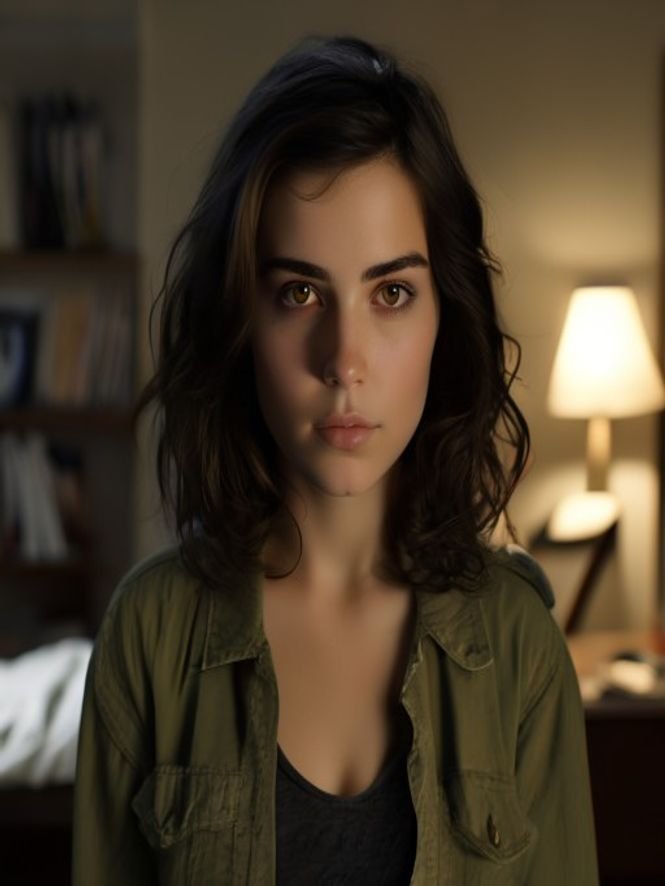
A 16-slot reference sheet keeps identity stable across every episode
◷The 90-second discipline
Episodes budgeted around short-drama pacing and cliffhanger rhythm
Credits ⚡Costs you can see
Every cost sits on the action button; failed generations refund themselves
▦Scene-to-scene continuity
Wardrobe, props and location logic carry forward between cards
✳Team roles & gates
Owner, editor and reviewer flows protect the budget and approvals
New ▶Cut room compilation
Merge approved episodes into a longer cut with teaser endings
Torax runs on a first-party generation stack
Not an API reseller. One vertically integrated engine for script, image, video and speech.
How it's builtApprove cheaply in text first.
Spend on shots that deserve visuals.
Visible budget control at every stage,
from story input to the cut room.
Explore the inside of every series
Open any project to see the brief, the cast, and how every episode was cut
Signal Lost
A night dispatcher starts hearing her own voice on a channel that closed in 1994.
Encore
A disgraced conductor gets one last season, and every player in the pit remembers why.
Northbound by @aric
Road dramaLow Orbit by @mira
Sci-fiPaper Wolves by @kit
NoirDry Season by @dune
WesternVantablack by @echo
HorrorGlasshouse by @remy
Mystery











From render to release in one click
Every other tool ends at a download button. Torax ends on a screen.
Publish
Poster, metadata and the episode schedule stay in one system
Hook
Cliffhanger end-cards and next-episode rhythm are default mechanics
Learn
Audience feedback informs the next series instead of living outside the workflow
Priced like software. Outputs like a studio.
A traditional short-drama episode costs thousands to shoot. Here, the spend stays legible.
See before you spend
Every generation shows its cost on the action itself
Failures refund themselves
Billing is output-based, not attempt-based
Assembly is nearly free
Stitching approved material costs far less than generating it
Everything else you'd ask anyway
The short answers, before you start.
How long is an episode, and why 90 seconds?
Every episode is capped around the short-drama format: high density, fast cliffhangers and enough room for a dramatic beat without wasting budget.
What does a full series actually cost?
Costs sit directly on the action buttons before you generate, and a typical episode lands at only a few dollars, a full season for less than a single traditionally shot scene.
How do you keep characters consistent for 60 episodes?
Each character gets a locked reference sheet with angles, emotions and wardrobe states, so identity stays stable across every episode instead of drifting shot to shot.
What happens when a generation fails?
Failed generations refund their credits automatically. You pay for output you keep, not for attempts.